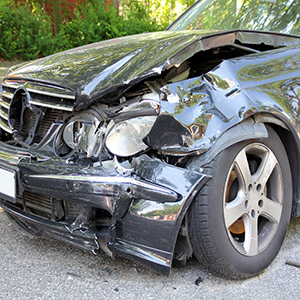
When Poor Vehicle Maintenance Causes a Crash: Who’s Responsible in Florida?
Blog
Vehicle maintenance problems can create serious safety risks on Florida roads. When that happens, determining liability often requires a closer look at how the vehicle was maintained, who performed repairs, and whether warning signs were ignored. In this article, we discuss…
- Whether a driver can be held liable for failing to maintain their vehicle.
- What happens if a mechanic was negligent or careless when working on a vehicle.
- The role of vehicle repair and servicing records in helping prove liability in these cases.
What Types Of Maintenance Issues Commonly Lead To Accidents?
The most common maintenance failures that lead to collisions are worn tires and failing brakes. Tires and brakes are wear items on vehicles, and they must be properly maintained over time.
As tires age, the rubber hardens and loses traction. Even if there is still visible tread remaining, older tires do not grip the roadway the same way they did when new because the coefficient of friction decreases with age. Tires that are more than six years old should generally be replaced.
Older tires can increase stopping distances in both wet and dry conditions and may contribute to loss of control or delayed braking during an emergency.
Brake maintenance is another common issue in vehicle-related crashes. A vehicle’s braking system experiences continuous metal-on-metal wear. Over time, brake pads wear down and eventually need replacement. If you begin hearing a screeching or scraping sound while braking, that may indicate the brake wear indicator is contacting the rotor, signaling that the brakes require immediate attention.
Can A Driver Be Held Liable For Failing To Properly Maintain Their Vehicle Under Florida Accident Liability Laws?
Negligent vehicle maintenance is a legally recognized cause of action in Florida. As such, a driver may be held liable if a crash was caused, in whole or in part, by a failure to properly maintain the vehicle.
Vehicle owners and drivers have a responsibility to keep their vehicles in reasonably safe operating condition. Ignoring known maintenance problems or failing to address obvious wear issues may expose a driver to liability after an accident.

What Happens If A Mechanic Or Repair Shop Performed Negligent Or Faulty Vehicle Repairs?
Mechanics and repair shops in Florida are generally required to perform repairs in a workmanlike manner. If a mechanic or repair facility performs negligent repairs or fails to properly address a known issue, they may be held responsible when those actions lead to injury or property damage.
This issue often arises when a driver claims that a mechanical failure, rather than driver error, caused the accident. Depending on the facts of the case, an injured party may choose to pursue claims against both the driver and the repair shop involved.
How Can Vehicle Maintenance And Repair Records Be Used As Evidence In A Car Accident Case?
Vehicle maintenance records can play an important role in determining what caused a mechanical failure.
Modern vehicles often store maintenance information within the vehicle’s onboard systems. In many cases, records may reflect the date and mileage of maintenance services, even when some work was performed by the owner rather than a repair shop.
Repair invoices, service histories, and maintenance logs may also be admissible as business records under Florida evidentiary rules. These records can help establish whether necessary maintenance was delayed, ignored, or improperly performed prior to the accident.
How Does An Attorney Identify All Potentially Liable Parties In A Crash Caused By Poor Vehicle Maintenance?
It depends on the circumstances of the case. In many accidents involving suspected mechanical failure, law enforcement officers will ask the driver whether a problem with the vehicle contributed to the crash. For example, a driver may tell the responding officer that the brakes failed and that the collision was unavoidable.
However, the investigation should not end there. If a driver claims brake failure, the next question becomes why the brakes failed in the first place. Determining liability may require examining the vehicle’s maintenance history, repair records, mileage, driving conditions, and prior warning signs.
For instance, a vehicle used heavily in stop-and-go urban traffic may require brake replacement sooner than a vehicle driven primarily on highways. Understanding how the vehicle was used and maintained can help identify whether the failure resulted from neglect, improper repairs, or another contributing factor.
Still Have Questions? Ready To Get Started?
For more information on vehicle maintenance accident liability cases in Florida, an initial consultation is your next best step. Get the information and legal answers you are seeking by calling (863) 201-5918 today.